Nlitntec
Market Potential
Be a leader in a billion dollar market, With businesses worldwide adopting e-signatures to streamline operations and enhance security, your innovative ventures could skyrocket to prominence. The sheer thrill of creating groundbreaking technologies that will become staples for companies across the globe sends a ripple of excitement through this rapidly expanding industry. Engaging actively with trends such as biometric Video authentication and blockchain integration ensures longevity in this competitive field while cementing your role as a trailblazer in transforming how businesses connect digitally. Leverage these dynamic innovations today; the future of signing…

The Market Currently
In the last ten years, electronic signatures have transformed the way businesses operate across various sectors, including law, insurance, and medicine. The convenience of signing documents from anywhere in the world has made e-signatures an indispensable part of daily operations. However, with this growth comes an important question: how can users trust that the individuals signing these documents are truly who they claim to be?
The adoption of electronic signatures began to rapidly increase around 2010, coinciding with the advancements in digital technology and an expanding remote workforce. Today, e-signatures are no longer confined to tech-savvy companies; they are widely accepted in legal documents, medical consent forms, insurance contracts, and countless other areas where formal agreements are necessary. The Electronic Signatures in Global and National Commerce (ESIGN) Act and the Uniform Electronic Transactions Act (UETA) have laid the legal groundwork for e-signatures, affirming their legitimacy alongside traditional handwritten signatures.
As industries embrace this paperless revolution, the advantages of electronic signatures are evident. They expedite the signing process by eliminating the need for physical meetings or postal delays, thus significantly improving efficiency. Moreover, they offer cost savings by reducing paper usage and administrative tasks related to document handling. These benefits have made e-signatures particularly appealing to sectors that require high-volume document signing, such as real estate, healthcare, and legal sectors.
This Markets Future
The e-signature market hit $4.5 billion in 2025, according to a MarketsandMarkets report. Experts predict it will climb to $12.8 billion by 2030. That’s a compound annual growth rate of about 23%. North America leads with over 40% of the share, thanks to strong tech adoption. Asia-Pacific follows close, growing at 28% CAGR as businesses there go digital fast. Europe, under eIDAS rules, shows steady gains too. These numbers show why investors eye this space.
Most e-signature firms sell through SaaS plans. You pick a tier: basic for small teams at $10 per user monthly. Pro versions hit $25, with extras like templates and storage. Enterprise plans go higher, around $40, for unlimited sends. Recurring fees keep cash flowing steady. Churn stays low at 5% yearly since these tools become daily needs. Firms lock in users with easy onboarding. That’s why revenue grows predictably.ex and add or change the following entries:
Big clients pay top dollar for custom setups. A bank might drop $500,000 yearly for deep integrations. High volumes mean more signatures, so prices scale with use. Remote online notarization adds value—it’s like a notary but virtual. States approve it for real estate and wills. Companies charge $5 to $15 extra per notarized doc. This pulls in fat margins from trusted sectors.
Firms add cash from extras like secure storage for audit trails. You pay $0.50 per stored envelope monthly. Identity checks via APIs cost $1 to $3 each. Some offer consulting to meet regs, bundled at 20% of the core fee. Take DocuSign: their enterprise packs include API access and support, boosting lifetime value to $100,000 per client. Adobe Sign does similar with Acrobat ties. These upsells turn one-time users into long-term payers.
Despite these advantages, there remains an inherent trust issue surrounding electronic signatures. The very nature of e-signatures allows for a degree of anonymity that cannot be replicated in traditional signing processes. When multiple parties are involved in a document, the concern arises as to whether each party has genuinely consented to the agreement. Without clear visibility into who is signing, fraudulent activities can occur, and the integrity of the signed document may be compromised.
Participating In the Solution
In conclusion, electronic signatures have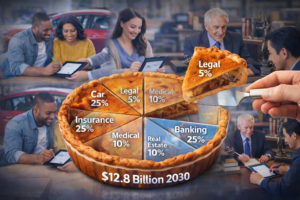 become an integral element of modern business operations across various industries in the past decade. Their growth reflects a broader shift towards digital solutions that enhance efficiency and reduce costs. Yet, the challenge of ensuring trust remains a critical aspect that cannot be overlooked. With continually evolving technology and robust authentication methods now available, users can better secure the integrity of their electronic signatures, paving the way for even greater acceptance and reliability in the future. As industries further embrace this digital age, addressing trust concerns will assure parties that e-signatures are a secure and dependable alternative to traditional signing methods.